

I was thrilled to see so many of you at the Hospice News ELEVATE conference in Charlotte, North Carolina last week.
I’m excited to share some insights from the conference, but first, if you haven’t already please check out my most recent post on Inside Hospice. It contains my personal story of why writing about hospice care is such a passion for me.
One thing that was clearly apparent about ELEVATE was that virtually everyone in the hospice community is concerned about fraud. Attendees flocked to sessions that were addressing this issue, including our main regulatory update panel and another that focused specifically on what is happening in California.
In addition to the fraud itself and its impact on patients and families, providers are concerned that legitimate hospices may get caught up in CMS’ efforts to root out these scams.
“With the wide net that CMS is casting, certainly, good hospices are being caught up in that,” Andrew Brenton, attorney with Husch Blackwell, said at ELEVATE. “I think no one is really safe, because a lot of this is a black box; the methodology by which CMS chooses which hospices to audit or otherwise target for enforcement is kind of unknown.”
Other key insights from Elevate included updates on the Hospice Outcomes and Patient Evaluation (HOPE) tool implementation process which began last October with the start of the 2026 fiscal year. The transition is going smoothly to date for most providers, which is welcome news considering many were concerned at the end of last year that most hospices did not have sufficient time to prepare.
Speakers at ELEVATE also asserted that as more health care providers and payers adopt risk-based models, interest in palliative care is likely to grow due to those services’ potential for reducing health care costs and improving patient outcomes.
“Organizations are starting to take on more risk, and what we all have known historically is that palliative care is helpful,” Dr. Nelia Jain, medical director for palliative care at Thyme Care, told us at ELEVATE. “Palliative care decreases utilization. Palliative care improves quality of life and patient experience. But now that organizations are being held accountable for meeting some of those outcomes, there’s an increased interest in really integrating palliative care along the serious illness care journey, rather than a discrete entity in episodic care, particularly later in life.”
Of course this is only a handful of the great insights that we heard at the event. It was difficult to choose which to highlight. Keep your eyes on Hospice News – and Inside Hospice – for more coverage of what our speakers had to say at ELEVATE.
Key GIP Trends
I had to flag this story by Hospice News Senior Reporter Holly Vossel because she did such a great job on it. In “Sustaining the ‘Rare Species’ of Inpatient Hospice Services,” Holly conducted an analysis of patterns in hospice inpatient center openings and closings to uncover real challenges to maintaining access to the general inpatient and respite levels of care.
No one is currently tracking any national data on inpatient facility openings, which meant Holly had to do some digging. She went through a few years of Hospice News’ coverage of new or closing centers, as well as a slew of local news reports, company press releases and social media announcements. She then proceeded to contact each organization to verify the information she collected.
This leg work resulted in an excellent story, and I hope you’ll give it a read.
Ongoing Research Into Hospice Care for CHF
Hospice utilization is relatively low for congestive heart failure patients, who often have specific and complex needs.
Dr. Sarah E. Chuzi, cardiologist at Northwestern Medicine’s Bluhm Cardiovascular Institute, is conducting research into the ways hospices can better serve those individuals, including their policies and approaches to therapies like inotropes, left-ventricular assistive devises, internal defibrillator management and other types of treatment.
Providers can participate in the research by taking this survey.
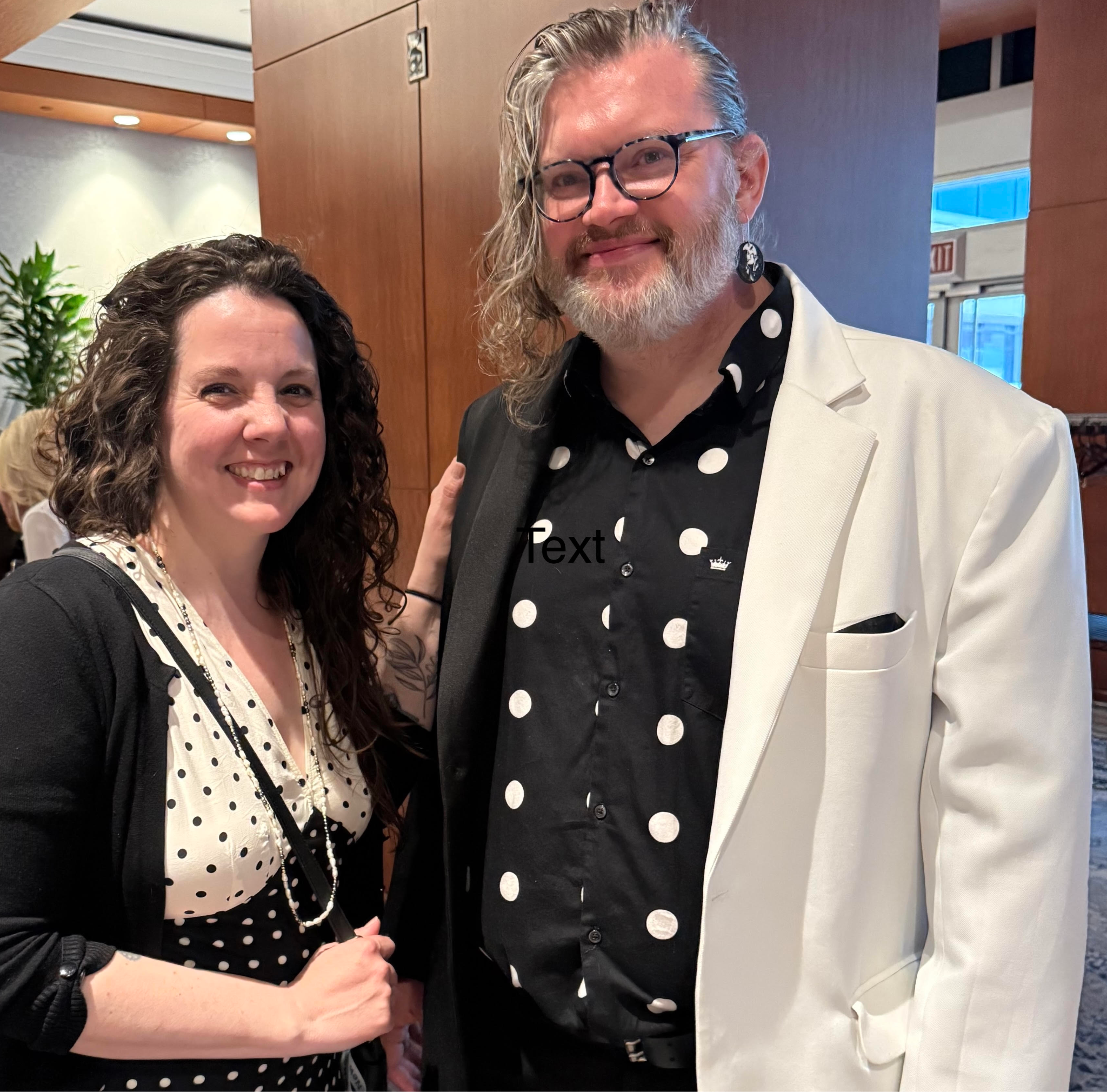
On a final note, I would like to assure you all that Holly and I did not plan to wear perfectly matching outfits at the ELEVATE opening reception. It just happened by coincidence. Black-and-while polka dots for the win!
I’m enjoying this content. Keep up the good work!
Excited to learn more from the ELEVATE coverage. These are important conversations to keep bringing to light. Nice suit jacket, Jim — you both look great!