

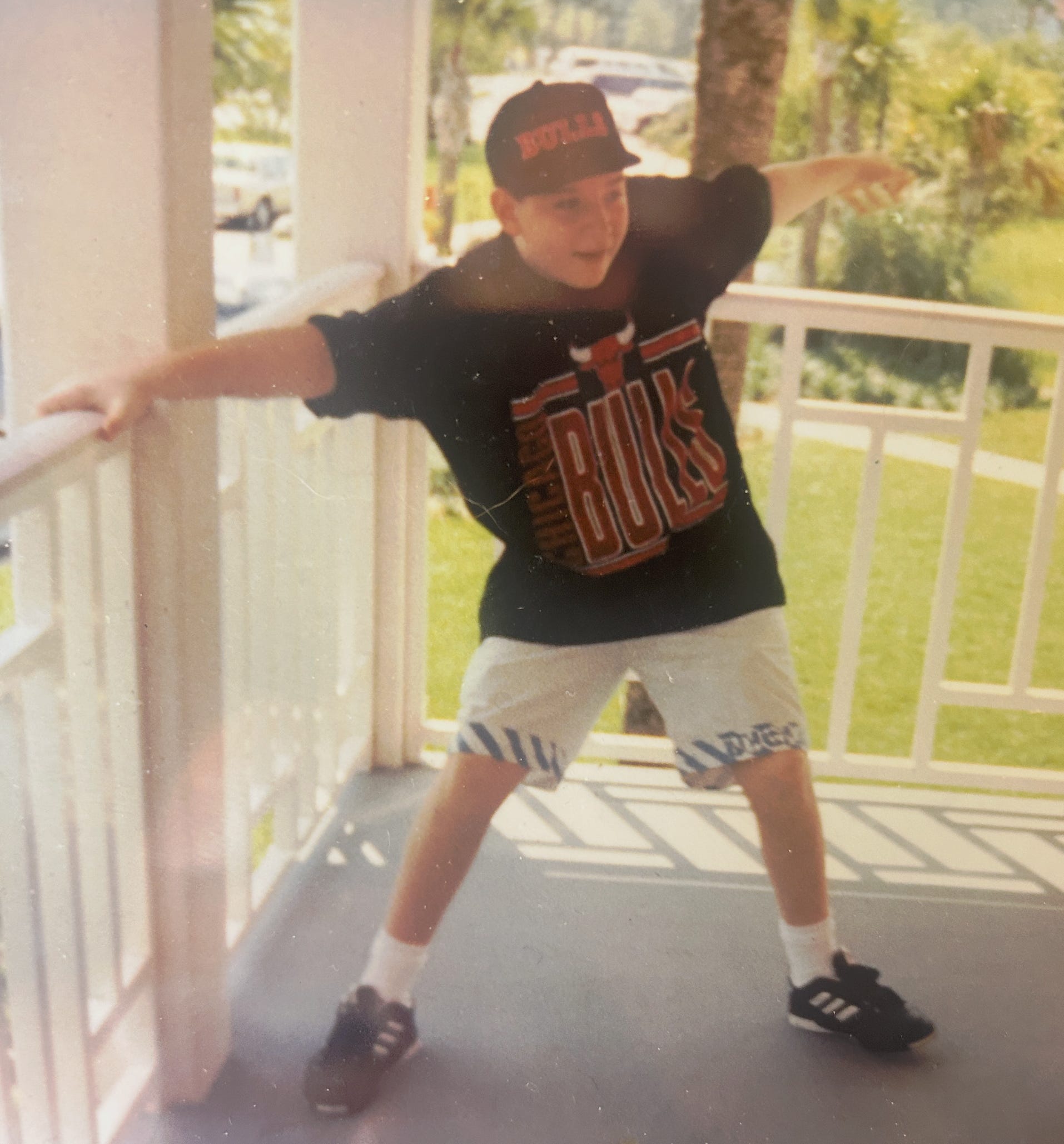
This time of year is always rough for me — specifically, this week. Sept. 25 is the day my little brother was shot and killed in 1991. Sept. 28 is his birthday. He would have been 48 this year. Three days after his death, he would have been 13.
That’s hard to imagine, my brother at 48. I often wonder what he would have been like as an adult. What would he have done? What would our relationship have been like? Would we still be as close? What kind of uncle would he have been to my daughters? Would he have had children as well?
Maybe I wouldn’t have felt so alone during difficult times if he had been there.
Unanswerable questions, but they traipse through my head often. It makes me angry that I will never know these things.
Grief never leaves us. It transforms us. We integrate it into ourselves, and it becomes part of who we are. And I am feeling that right now. I grieve for my brother. I grieve for my family’s pain.
I also grieve for the person I might have been if I hadn’t lived through that and the resulting PTSD. I will likely never understand all the diverse ways his death and my experience of it affected and changed me.
I remember on the night he died going in a police car to pick up my grandmother, bringing her to the house to be with my mother. The officer told me that my life was going to change now, and that I wouldn’t be the same after this. He was very right.
This is usually a beast of a week when it comes to the PTSD symptoms as well. Sometimes if feels like his death is still happening – right now. I can’t sleep. My hypervigilance intensifies, so I am constantly poised for danger and can’t relax. My mind is caught up with strategizing how I would respond to slews of highly improbable emergencies. And so forth. This is exhausting to say the least.
Metaphorically speaking, I wish I could stick my head up above water and take a breath.
I sometimes question whether I should share these more intimate stories about myself. Maybe I should stick to writing about M&A and moratoria and what not. It makes me nervous to share so much sometimes and puts me in a vulnerable position.
But my gut and heart tell me that these stories are important. I hope someone who has been in similar shoes might read them and feel less alone. I hope it helps my readers to understand the importance and sacred nature of their work as hospice providers, caring for the dying and for families reduced by loss to a raw nerve. People need care in those moments, the families too, and I thank you for showing up for them.
My brother’s death was violent and sudden, rather than the result of a prolonged illness that could have led him under the wings of a hospice. But I do think about how hospices could help people like me through the emerging practice of trauma-informed bereavement care, which Holly Vossel has covered on Hospice News.
Community-minded hospices should consider the prevalence of trauma-related loss when determining the scope of their community bereavement programs. Although these deaths fall outside the population hospices typically serve, hospice organizations are uniquely positioned to provide grieving communities with comprehensive, interdisciplinary support.
A deeper understanding of trauma-related loss can help hospices refine their community-based grief services and identify unmet needs. The distinct challenges faced by families experiencing traumatic loss also can create opportunities for hospices to develop creative, innovative approaches to bereavement care.
I am sorry to say that there would be no money in this. Medicare requires hospices to offer grief care but doesn’t pay them for it. But people need this, and perhaps no one is better poised to help them than you are.